Tractor Pin Maintenance: Your Key to Sustainable Farming and a Thriving Bottom Line
Keeping your farm equipment in top condition isn't just about pride; it directly impacts your finances and the environment. This guide focuses on often-overlooked components: tractor pins. These seemingly small parts play a surprisingly large role in your tractor's lifespan and your farm's overall success. Neglecting them can lead to costly downtime and unnecessary environmental impact. For more information on maintaining your tractor's hydraulic system, check out this helpful resource on hydraulic oil.
Understanding the Unsung Importance of Tractor Pins
Tractor pins are the crucial connectors holding your entire operation together. They link implements to your tractor, ensuring smooth operation. A worn or damaged pin can create a chain reaction: equipment failure, frustrating downtime, and substantial repair bills. Replacing them promptly is preventative maintenance—avoiding larger, more expensive problems.
Spotting Trouble: Identifying Worn Tractor Pins
Regular inspections are crucial. Think of it as a quick health check for your tractor. Watch for:
- Excessive Wear and Tear: Scratches, grooves, or significant surface damage signal trouble.
- Wobbly Connections: Loose or wobbly connections indicate a worn pin needing replacement.
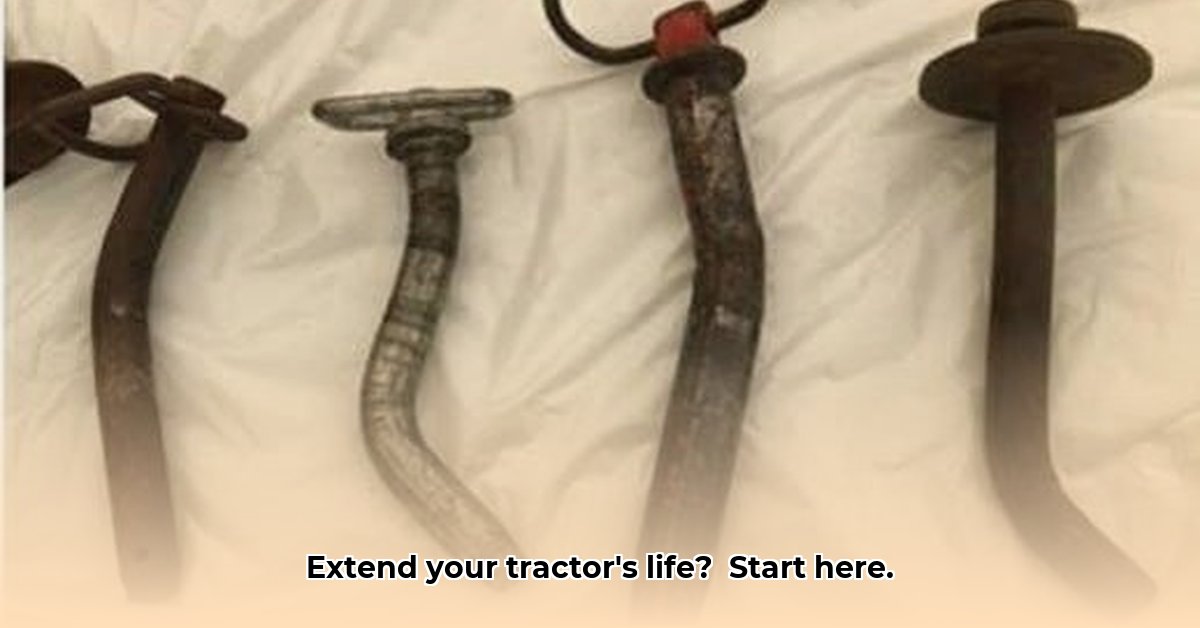
- Bending or Cracking: Any bending, cracks, or breaks, no matter how small, indicate weakening and potential failure.
- Corrosion: Rust is a pin's worst enemy. Immediate replacement is necessary.
Ignoring even minor issues can lead to severe problems, potentially causing injury. Replacement is always the best course of action.
Replacing a Tractor Pin: A Simple, Step-by-Step Guide
Replacing a tractor pin is straightforward when following these steps:
- Safety First! Always turn off the tractor, engage the parking brake, and wear safety glasses and gloves before starting any maintenance. Safety is paramount.
- Careful Removal: Gently remove the cotter pin and clevis pin securing the tractor pin. Use the appropriate tools to avoid damage.
- Inspection: Closely examine the old pin, noting any wear. This information informs future maintenance.
- Smooth Installation: Insert the new pin, ensuring it's properly seated and aligned.
- Secure the Connection: Reinsert the clevis pin and cotter pin, ensuring they are securely fastened. Double-check your work.
- Test Run: Test the implement to ensure it's functioning correctly before resuming work.
The Green Angle: How Tractor Pin Maintenance Supports Sustainable Farming
Replacing worn tractor pins isn't just about equipment uptime; it's a vital part of sustainable farming:
- Reduced Waste: Extending equipment life reduces the need for replacement parts, minimizing manufacturing waste and its environmental impact.
- Fuel Efficiency: Well-maintained equipment runs more efficiently, lowering fuel consumption, saving money, and reducing greenhouse gas emissions.
- Cost Savings: Preventative maintenance prevents large, costly repairs. It's a smart financial investment. Don't you want to maximize your ROI?
Choosing the Best Tractor Pins: A Buying Guide
When buying replacements, consider:
- Material: High-quality steel offers durability and corrosion resistance.
- Size and Type: Ensure the new pin precisely matches your tractor's specifications.
- Supplier: Choose suppliers with a reputation for quality and sustainable manufacturing practices.
Investing in high-quality pins offers long-term benefits: cost savings, environmental responsibility, and a smoothly running operation. This seemingly small action contributes to a more sustainable future.
Key Takeaways:
- Regular maintenance significantly extends tractor lifespan, reducing costs and environmental impact.
- Proactive pin maintenance prevents costly breakdowns, ensuring efficient farm operations.
- High-quality components contribute to sustainable agricultural practices.
Beyond Pins: A Holistic Approach to Sustainable Farming
Smart pin maintenance is part of a broader strategy for extending your tractor's life:
- Regular Oil Changes: Follow manufacturer recommendations.
- Filter Replacements: Regularly replace fuel, air, and hydraulic filters.
- Fluid Levels: Maintain proper fluid levels.
- Tire Care: Properly inflate and rotate tires.
- Operator Training: Train operators on proper procedures.
The Economic and Environmental Benefits
Extending your tractor's lifespan saves money and reduces the environmental impact of manufacturing and disposing of equipment. Sustainability is good business.
The Bottom Line: Sustainability Through Smart Maintenance
Sustainable agriculture requires long-term viability. Proactive maintenance, from small tasks like pin replacement, is key to success. It's about investing in your farm's future and the planet's health. Are you ready to embrace sustainable practices?